


In the journey of navigating a chronic health issue—whether it’s a diagnosis like Parkinson’s or a lifelong condition—there is an invisible obstacle that often feels more daunting than any physical symptom: the act of offering and accepting help.
For the person with the disability, a simple offer of assistance can trigger a complex internal monologue. For the partner or friend offering that help, the fear of overstepping can lead to a paralyzed silence. To build a healthy, sustainable relationship, we have to dismantle the “burden” myth and replace it with a sophisticated understanding of autonomy.
The Psychology of “Help-Resistance”
Why is a “thank you” sometimes replaced with a sigh of frustration? It usually boils down to three core psychological triggers:
- The Threat to Identity
Our society tethers “worth” to “independence.” When a person has to ask for help with a task they once did easily, it can feel like a mourning process for their former self. Accepting help is an admission that the “operating system” has changed, which can trigger a cycle of grief.
- The Loss of Agency
Autonomy isn’t just about doing things alone; it’s about having the power to decide how and when things are done. When a helper takes over a task without being asked, the person with the disability loses their role as the “director” of their own life.
- The “Burden” Narrative
Many individuals with disabilities carry an intense, internalized fear of being a “weight” on their loved ones. This leads to “help-refusal”—pushing oneself to the point of exhaustion or injury just to prove they aren’t “too much” to handle.
How to Offer Help While Respecting Autonomy: Living With Parkinsons
If you are the partner or friend, the goal is to provide support that feels like an extension of their will, not a replacement of it. Here is how to navigate that balance:
1. The “Consultant” Approach
Instead of jumping in when you see a struggle, act as a consultant. Use the “Ask, then Wait” method.
- The Script: “I see you’re working on that; would a hand make it easier, or would you prefer to keep at it solo?”
- Why it works: It returns the power of choice to your partner. If they say “no,” respect it. Their need to prove they can do it is often more important than the speed of the task.
2. Specificity Minimizes the “Burden”
Vague offers like “Let me know if you need anything” actually place a cognitive load on the person with the disability. They have to scan their life, find a task, and then find the courage to ask you.
- The Script: “I’m heading to the kitchen; can I bring you a fresh water?” or “I have some extra energy today—would you like me to tackle the laundry or the mail?”
- Why it works: It frames the help as a natural part of your flow, making it feel less like a “favor” they need to repay.
3. Separate the Person from the Process
When helping with intimate or repetitive tasks, keep the conversation focused on your relationship, not the mechanics of the help.
- The Technique: If you are helping a partner with Parkinson’s button a shirt, talk about the movie you want to see or a funny thing the dog did.
- Why it works: It prevents the relationship from becoming “Patient and Caregiver.” It reinforces that they are still your partner first.
Reframing Help as Interdependence
The most important shift a couple can make is moving away from the idea of “independence” (doing it all alone) and toward interdependence (a web of mutual support).
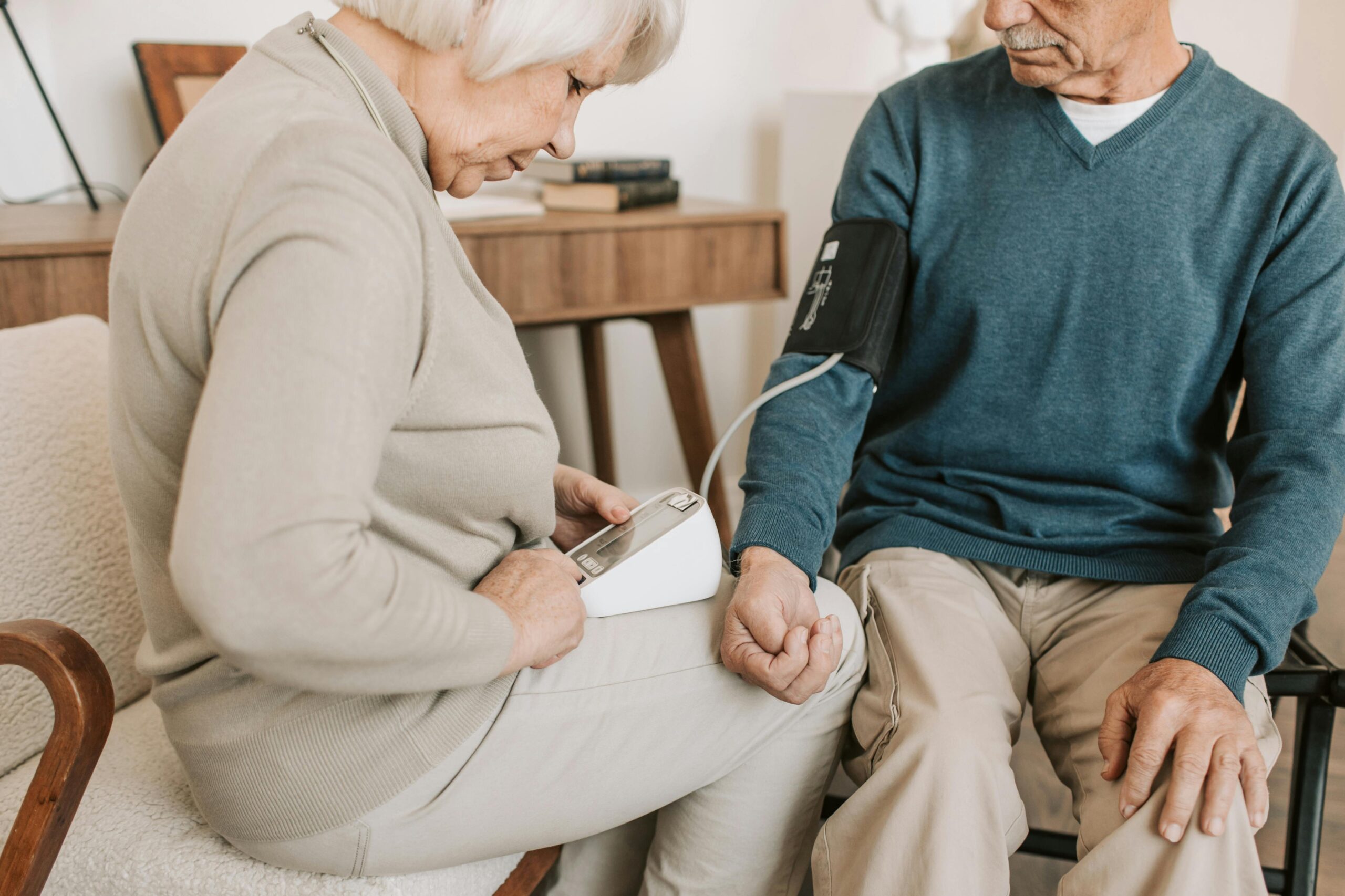 In a healthy relationship, everyone gives and everyone receives. One partner might provide physical assistance, while the other provides emotional wisdom, financial planning, or a sense of humor that keeps the home light. When we view help as a “transaction of love” rather than a “debt of service,” the feeling of being a burden begins to dissolve.
Conclusion
Helping a partner with a disability is a delicate dance. It requires the humility to ask and the wisdom to know when to step back. By prioritizing autonomy and practicing “Ask First” communication, you aren’t just getting a task done—you are protecting the dignity and the heart of the person you love.
